In the glittering world of celebrity relationships and legacies, behind every headline lurks a person with stories still waiting to be told. Even in the shadow of fame, the lives of those who orbit icons can be rich, complex, and revealing. In this article, we turn the spotlight to Carlos Scola Pliego — the man once married to music legend Sade Adu — to explore his background, his life journey, and how his story interweaves with hers.
Quick Bio
| Field | Detail |
|---|---|
| Full Name | Carlos Scola Pliego |
| Date of Birth | (Unknown / Not widely publicized) |
| Place of Birth | Mexico (presumed) |
| Nationality | Mexican (presumed) |
| Occupation | Businessman, Investor, Diplomat (roles vary by accounts) |
| Known For | Former spouse of singer Sade Adu |
| Marriage to Sade | 1989–1996 (approximate) |
| Children | None (public records indicate no children together) |
| Education | (Not publicly documented) |
| Public Profile | Low media profile, private |
| Notable Traits | Business interests, discreet lifestyle |
| Current Status | Lives out of public eye |
Early Life and Background
Very little is publicly documented about Carlos Scola Pliego’s youth. Unlike his former spouse, whose early life in Nigeria and England has been chronicled, Pliego’s early years remain obscure. Based on his name and familial associations, many believe he has Mexican heritage or ties, though no birth records or detailed biographical sources confirm the exact place or date of his birth.
The lack of public detail suggests that Carlos Scola Pliego maintained a private existence long before—and after—his relationship with Sade Adu brought him occasional mention. There are no widely reported stories about his childhood, schooling, or early influences, making it difficult for biographers to trace his formative years with certainty.
Meeting Sade Adu and Marriage
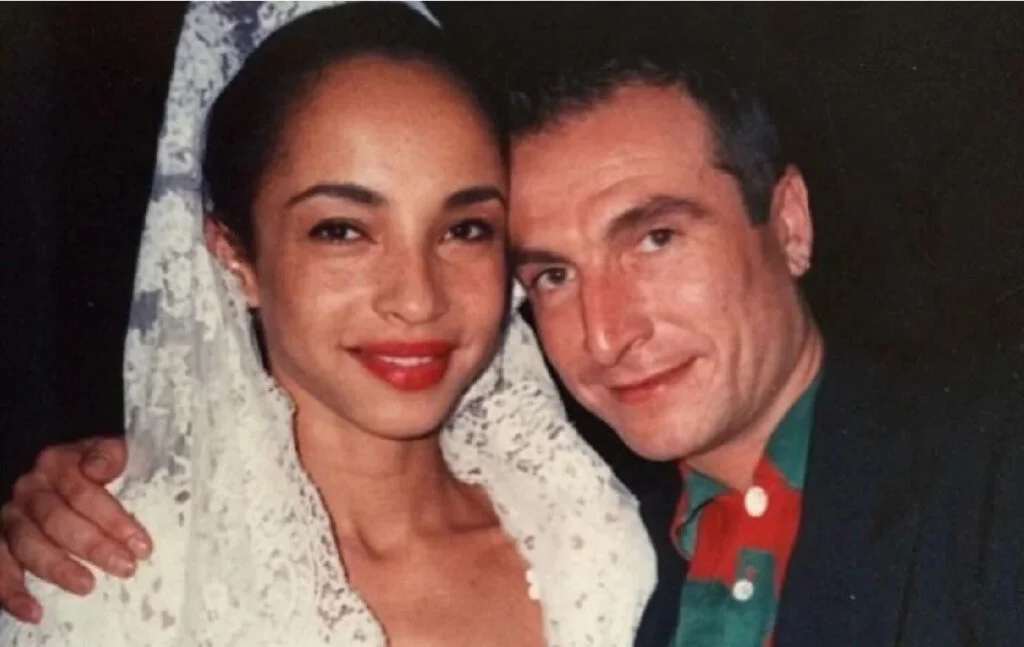
Sade Adu (born Helen Folasade Adu) rose to fame in the early 1980s with her unique blend of jazz, soul, and pop, achieving global acclaim. At some point in the late 1980s, she and Carlos Scola Pliego met. The exact circumstances of their meeting are not well documented, but by 1989 (or thereabouts) they were married.
During their marriage, Carlos Scola Pliego largely remained out of media focus, allowing Sade’s musical career to continue as the public center of attention. In interviews and biographies of Sade, he is mostly referenced in passing—and often only in relation to her life phases rather than as a subject in his own right.
The marriage did not produce children, according to public records. It lasted until approximately 1996, when the couple divorced. The reasons for the separation have not been publicly detailed by either party. Even after their separation, Carlos Scola Pliego has continued to live a life away from celebrity glare.
Professional and Personal Life Post-Marriage
Because Carlos Scola Pliego has stayed largely out of public view, verifying his professional engagements and personal pursuits is challenging. Some secondary sources suggest he held business interests, possibly in investment or international trade. Others mention possible diplomatic or cross-border roles, though none of these are confirmed by robust documentation.
He did not pursue a public career in entertainment, music, or thrust himself into the spotlight after the marriage ended. This silence is a choice in itself: a deliberate withdrawal from media narratives. The scarcity of interviews, public statements, or high-profile involvement in projects suggests that privacy has been a central value in his life.
Over the years, interest in Sade Adu’s life naturally brought questions about Carlos Scola Pliego. But because his public persona is so minimal, those questions often go unanswered. Some biographies of Sade briefly mention him, usually in the context of her personal timeline or shifts in her music output, but rarely delve into his point of view or individual story.
Life Philosophy and Character (Inferred)
When someone chooses to live quietly in the periphery of fame, we often infer qualities: reserve, discretion, perhaps an aversion to public scrutiny. In the case of Carlos Scola Pliego, the absence of information may hint at a personality that prized personal boundaries.
From what can be pieced together, he did not—after the marriage—seek to monetize his connection to a music icon. He did not write memoirs, initiate lawsuits, or make public statements seeking attention. That restraint suggests a measure of contentment with anonymity.
At the same time, while Sade inaugurated tours, albums, and public appearances, Pliego’s presence (or absence) signals a partner who allowed space for her light to shine. That dynamic—less visible, but supportive—may have suited both parties at different stages.
Impact on Sade’s Life and Legacy
Carlos Scola Pliego’s greatest public relevance is tied to Sade’s narrative. He appears as a chapter in her life story: a spouse during a period of growth, change, and evolving identity. Through that lens, he inhabits a turning point.
During their marriage years, Sade released influential work and cemented her status in music. While there is no strong evidence that Pliego directly influenced her artistic decisions, his role in her personal life would necessarily leave some mark—whether emotional, logistical, or psychological.
In posthumous or retrospective biographies of Sade, authors sometimes analyze how her relationships shaped her emotional world. Carlos Scola Pliego, then, becomes part of that matrix—not as a driver of her art, but as a silent companion in the background.
The Challenge of Writing His Biography
Writing a biography of someone like Carlos Scola Pliego is a challenge. His life lacks the public documentation that makes most celebrity biographies possible. But the very absence of records tells us something: that his life is guarded, discrete.
To approach his story, one must rely on secondary sources, anecdotes in Sade’s biographies, occasional public records, and educated inference. But one must remain cautious about elevating rumor to fact. Many sources that mention him do so superficially; few offer verification of basic biographical data.
Thus, a “biography” of Carlos Scola Pliego must, by necessity, acknowledge its gaps. It must resist overclaiming. It must allow silence and uncertainty. In fact, that may reflect the most authentic portrait: a man whose life was defined by discretion.
What We Do Know (Recap)
Here’s a summary of what we can reliably say about Carlos Scola Pliego:
- He was married to Sade Adu from roughly 1989 until their divorce around 1996.
- The marriage did not produce children (as per public record).
- He maintained a low media profile, both before and after the marriage.
- There is no reliable public record of his early life, education, or career.
- He avoided public statements, memoirs, or media visibility.
- He remains part of the peripheral narrative in Sade’s life and legacy.
Why His Story Matters
In celebrity culture, narratives often center on the star. But those who orbit the star may carry untold stories that add depth, context, and nuance. Carlos Scola Pliego’s life is one of those margins. His silence invites curiosity. His invisibility demands careful handling.
By exploring what is known—and admitting what is not—we preserve dignity. We resist sensationalism. We offer a portrait that is human, incomplete, and respectful. That approach may be more honest than a fabricated portrait filled with unsubstantiated claims.
His story matters because it teaches us about the limits of public perception. It reminds us that not every life intersects with fame willingly. It points to the tension between privacy and public curiosity, a tension many have felt in various degrees.
Reflections on Privacy in Fame
The case of Carlos Scola Pliego reflects a broader theme: how people close to famous individuals navigate privacy. Not everyone wants to be seen. Not everyone’s story is meant for the public stage.
In modern times, celebrity partners often become public personalities themselves. But Pliego’s choice—or default—to remain hidden suggests alternative models: presence without exposure, influence without limelight.
For fans of Sade, for biographers of her life, the lacunae about Pliego are frustrating. But perhaps that is part of his legacy: to be a reminder that not all meaningful lives should—or do—be fully documented.
Tips for Biographers Dealing with Gaps
If you (or someone) want to write a fuller story of Carlos Scola Pliego, here are best practices:
- Use primary documents: marriage contracts, public registries, legal notices.
- Interview close associates: but approach with sensitivity and respect.
- Cross-check every claim: because rumor and repetition breed falsehood.
- Acknowledge gaps openly: in writing, flag uncertainties rather than mask them.
- Focus on context: his life is best understood through how it intersected with Sade’s journey.
Conclusion
Carlos Scola Pliego stands as a rare example of someone who once occupied a place in the orbit of global fame yet chose to step back into quiet anonymity. While the facts of his life remain sparse, his story reflects the tension between public curiosity and private boundaries. By acknowledging what is known and what is not, we see a portrait of a man who valued discretion over exposure, and whose brief presence in Sade Adu’s life forms just one understated but significant chapter in the larger narrative of her journey.
FAQs
Who is Carlos Scola Pliego?
Carlos Scola Pliego is the former husband of singer Sade Adu. He led a private life before, during, and after the marriage, with very little public documentation.
When did he marry Sade Adu?
They married in circa 1989, though the exact date is not publicly confirmed.
Did Carlos Scola Pliego have children with Sade?
No public records indicate that they had children together.
What does he do professionally?
His professional life remains obscure. Some sources suggest business or investment roles, but no verified public record confirms details.
Where was he born?
His place of birth is not confirmed in public records. Many assume some Mexican heritage, but that is not verified.