You’ve probably seen them in movies—the sweaty suspect hooked up to a polygraph machine, wires snaking everywhere, eyes darting nervously as the examiner asks questions. “Lie detector,” they call it. But here’s the thing: reality is a lot less dramatic. Polygraph tests are both more interesting and more misunderstood than the Hollywood version.
I remember once talking to a friend who had to take one for a background check. He swore he’d never stolen anything, but he was convinced the machine would somehow “know.” Sitting in that small, cold room, staring at needles dancing across paper, he realized that fear alone could make the results… complicated. That’s the first thing to understand: polygraphs measure your body’s reactions—not truth itself.
How a Polygraph Test Works
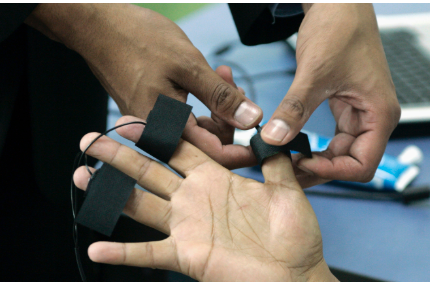
Let’s break it down. A polygraph test doesn’t actually read your mind. Instead, it measures physiological responses: heart rate, blood pressure, respiration, and skin conductivity. The examiner asks a mix of baseline questions—simple things like “Is your name John?”—and then moves into relevant questions about the matter at hand. The idea is that lies trigger subtle changes in the body that can be detected.
Here’s the tricky part: those reactions aren’t unique to lying. Nervousness, embarrassment, fear, or even thinking hard about a question can make the same readings spike. I once spoke with someone who was being tested for a corporate fraud investigation. He claimed he was calm, but just sitting there thinking about the “what ifs” of getting caught made the needles dance like crazy. The machine couldn’t tell whether he was lying—it just recorded his stress.
The Human Factor
You might think the machine is the star of the show, but the examiner is actually the most important part. A skilled polygraph examiner knows how to read subtle cues, notice inconsistencies, and interpret the data in context. That’s why polygraph results can vary so widely from one examiner to another.
Think of it like this: imagine two chefs making the same recipe. One follows it by the book, the other adds their own touches based on experience. Same ingredients, different outcome. That’s your polygraph. The human behind it makes all the difference.
Situations Where Polygraphs Are Used
Polygraphs pop up in some surprising places. They’re most commonly associated with law enforcement investigations, but they also appear in pre-employment screenings for certain government jobs, security clearance checks, and even some corporate internal investigations.
Here’s a mini scenario: a company suspects that sensitive information has leaked. They bring in an examiner to interview employees. Everyone sits down, heart racing. Even the most innocent person can look guilty under that kind of scrutiny. The polygraph doesn’t convict—it just points to stress patterns that warrant further questioning.
Can You Beat a Polygraph?
Now, let’s be honest: there’s a lot of myth and legend around “beating the polygraph.” Some people think if they control their breathing or pinch themselves to fake reactions, they can trick the machine. Maybe sometimes—but it’s not reliable.
Most examiners can spot attempts to manipulate the results. And even if you could control your body perfectly, remember: the test is just one piece of the puzzle. In real investigations, polygraph results are rarely the sole deciding factor. They guide questioning, not convictions.
Reliability and Controversy
Here’s where things get controversial. Polygraph tests aren’t 100% accurate. Studies suggest accuracy ranges from 70% to 90%, depending on the examiner, the situation, and the subject. That’s better than a coin flip, but far from foolproof.
Courts are wary for a reason. In many jurisdictions, polygraph results aren’t admissible as evidence because they can be misleading. Imagine a nervous person taking a test honestly but getting flagged as deceptive. That’s not just unfair—it could be life-changing.
Yet, polygraphs persist. Why? Because they can be powerful investigative tools. They often prompt confessions or clarify inconsistencies, even if the needle itself isn’t telling the full story. In a way, their value lies in the conversation they spark, not the chart they produce.
The Psychology Behind the Test
Here’s something that often surprises people: the polygraph works as much on psychology as physiology. People often admit to things during the process simply because the stress of the situation makes it uncomfortable to maintain a lie.
I remember interviewing a retired examiner who said, “Most people give themselves away without the machine even helping. They fidget, they over-explain, or they just crack under the pressure.” That human element—stress, guilt, anxiety—is what makes polygraphs fascinating. They’re as much about reading people as they are about reading numbers.
Practical Takeaways
If you ever face a polygraph, the best strategy is simple: stay calm and be honest. Trying to trick it is risky and stressful. Your body will usually betray you more than it helps you. And if you’re an employer or investigator, remember not to put all your trust in the machine. Use it as a tool, not a verdict.
For anyone curious about the science, it’s worth remembering how nuanced human stress responses are. The spikes in heart rate or skin conductivity don’t just reflect lying—they reflect fear, anticipation, embarrassment, excitement. That’s why two people can take the same test and get wildly different results under the same circumstances.
The Bigger Picture
Polygraphs tell a story—but not the whole story. They give insight into human behavior, fear, and honesty under pressure. They can reveal patterns, but they don’t deliver absolute truth.
Here’s the real lesson: whether you’re sitting in the examiner’s chair or reading about the test, the polygraph reminds us how complicated honesty is. We’re wired to react, to feel stress, to second-guess ourselves. No machine can fully capture that human complexity.
In the end, it’s less about the spikes on the chart and more about the conversation they create. They make us confront what we know, what we hide, and how we react under pressure. And that, honestly, is a little fascinating.
So next time you see a polygraph on TV and expect drama and confession, remember: the truth is messier, human, and a lot more interesting than the lines on the paper. And maybe that’s why people keep coming back to it—curious about what those needles really say about themselves.