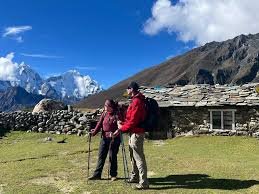
Planning a Himalayan expedition is one of the most thrilling decisions of a lifetime. But before you lace up your boots and set your eyes on a snow-capped summit, there is one decision that will define your entire experience more than any piece of gear or training plan ever could — choosing the right expedition company in Nepal.
Every year, hundreds of climbers and trekkers arrive in Kathmandu with big dreams, only to find themselves let down by underprepared operators, hidden costs, under-qualified guides, or dangerously poor safety standards. The mountains of Nepal do not forgive poor planning, and neither does a bad expedition company.
This comprehensive guide will walk you through exactly how to choose the best expedition company in Nepal, covering everything from licensing and guide credentials to safety protocols, pricing transparency, and ethical practices. Whether you are summiting Everest, trekking to Annapurna Base Camp, or attempting your first technical peak, this guide will ensure you make the right choice.
Why Choosing the Right Expedition Company in Nepal Matters More Than You Think
The Himalayan trekking and climbing industry in Nepal is vast. There are hundreds, arguably thousands, of companies operating across Kathmandu and beyond, ranging from highly professional, internationally recognized operators to informal, unlicensed agents who exist purely to capture a booking commission.
The difference between these two extremes is not just comfort or convenience. At altitude, the quality of your expedition company is a matter of life and death.
The Difference Between a Budget Operator and a Professional Expedition Company
A budget operator may offer an attractive price tag, but what they often sacrifice is the infrastructure that keeps you safe in the mountains. Professional expedition companies invest in:
- Certified, experienced Sherpa and guide teams with verified high-altitude experience
- High-quality supplemental oxygen systems are tested before the climb
- Comprehensive emergency evacuation plans and helicopter rescue partnerships
- Proper acclimatization schedules built around your fitness and medical profile
- Transparent communication before, during, and after the expedition
A budget operator, by contrast, may cut costs by hiring inexperienced guides, using substandard equipment, skipping proper acclimatization days to rush itineraries, or outsourcing your booking to third-party agents who have never been on the mountain themselves.
How Nepal’s Expedition Industry Is Regulated And Where the Gaps Are
Nepal’s mountaineering and trekking industry is overseen by several government and professional bodies, including the Nepal Mountaineering Association (NMA), the Trekking Agencies’ Association of Nepal (TAAN), and the Department of Tourism. Any legitimate expedition company operating in Nepal must hold a valid registration with these authorities.
However, licensing alone is not a guarantee of quality. A company can be legally registered and still operate with poor safety standards, untrained staff, or misleading package pricing. This is precisely why knowing how to choose the best expedition company in Nepal goes far beyond simply checking a registration number. You need to dig deeper, and this guide will show you exactly how.
How to Choose the Best Expedition Company in Nepal — 8 Critical Factors
This is the core of your decision-making process. Use these eight factors as your personal evaluation framework before committing to any operator.
1. Verify Licensing, Accreditation & Government Registration
The very first step in evaluating any Nepal expedition company is to verify that they are legally authorized to operate. A reputable company will hold:
- Nepal Mountaineering Association (NMA) membership for technical peak operations
- TAAN (Trekking Agencies’ Association of Nepal) affiliation for trekking services
- A valid Department of Tourism registration certificate
Do not simply take a company’s word for it. Ask for their registration number and cross-check it directly on Nepal’s official tourism or NMA portals. If a company is evasive about providing this information, that alone is a significant red flag.
2. Assess the Experience and Summit Success Rate of the Company
Experience in the Himalayan expedition industry is not measured in years alone — it is measured in verified summits, safe turnarounds, and seasons survived. When evaluating an expedition company, ask specifically:
- How many years have they been operating expeditions on your target peak?
- What is their summit success rate, and equally important, what is their safe turnaround rate?
- Can they provide expedition logs, reports, or references from verified past clients?
A company with a high summit success rate but a pattern of pushing clients beyond safe limits is not a company you want managing your life at 8,000 meters. Balance ambition with safety when reading their track record.
3. Evaluate the Quality and Certification of Guides and Sherpa Teams
Your guides and Sherpa team are your lifeline on the mountain. The best expedition companies in Nepal employ guides who hold internationally recognized certifications such as IFMGA (International Federation of Mountain Guides Associations) or UIAGM credentials. For technical expeditions, this is non-negotiable.
Beyond certifications, ask about:
- The guide-to-client ratio (for technical peaks, 1:1 or 1:2 is the gold standard)
- The Sherpa team’s personal high-altitude experience on your specific route
- Whether the company ensures fair wages, insurance coverage, and proper welfare for all local staff
The welfare of Sherpa and porter teams is not just an ethical concern — it directly impacts the quality and reliability of your support team on the mountain.
4. Scrutinize Safety Standards, Equipment, and Emergency Protocols
Safety infrastructure separates elite expedition companies from mediocre ones. Before booking, ask detailed questions about:
- Supplemental oxygen systems, brand, quality, and testing procedures
- Fixed rope standards on technical sections of the route
- High-altitude medical equipment including Gamow bags and pulse oximeters at each camp
- Evacuation partnerships, which helicopter rescue companies are they contracted with?
- Summit day go/no-go decision-making, who has final authority, and what criteria are used?
A professional company will answer all of these questions confidently and in detail. Vague or dismissive responses to safety questions should immediately disqualify an operator from your consideration.
5. Understand What’s Included, and What’s Not, in the Package Price
One of the most common complaints from Himalayan climbers is discovering unexpected costs mid-expedition. To avoid this, demand a fully itemized cost breakdown before signing any contract. A comprehensive expedition package should clearly state what is included regarding:
- Peak climbing permits and all government fees
- Accommodation (teahouses, base camp tents, high-altitude tents)
- Meals throughout the expedition
- Supplemental oxygen (number of bottles and flow rates)
- Porter and Sherpa fees, including their insurance
- Garbage deposit refunds and environmental fees
Common hidden costs to watch for include visa fees, international flights, travel insurance, gratuities, extra weather-delay accommodation, and premium oxygen upgrades. The lowest advertised price rarely reflects the true total cost of the expedition.
6. Check Client Reviews, Testimonials, and Independent Forums
In the digital age, authentic client feedback is one of the most reliable tools for evaluating expedition companies. Look beyond a company’s own website testimonials and instead consult:
- The Himalayan Database, an authoritative archive of Himalayan expeditions
- TripAdvisor and Trustpilot for general trekking operator reviews
- 8000ers.com and ExplorersWeb for serious climbing community feedback
- Reddit communities such as r/alpinism and r/Mountaineering for candid discussions
When reading reviews, look for consistent patterns rather than isolated comments. A single negative review may be an anomaly, but repeated mentions of poor communication, safety shortcuts, or billing disputes are serious warning signs.
7. Evaluate Their Communication, Transparency, and Pre-Expedition Support
How a company communicates with you before you book tells you a great deal about how they will treat you on the mountain. The best expedition companies in Nepal will:
- Respond to inquiries promptly, thoroughly, and professionally
- Provide detailed pre-expedition briefings, including gear lists, training recommendations, and health guidelines
- Offer flexibility to customize itineraries based on your experience level and fitness
- Assign you a dedicated expedition coordinator who knows your file personally
If you are being rushed into a booking, given vague answers, or handed a generic brochure with no personalization, take your business elsewhere.
8. Assess Their Commitment to Responsible and Ethical Tourism
The best expedition companies in Nepal understand that the Himalayas are not just a business opportunity; they are a fragile ecosystem and a sacred landscape that must be protected for future generations. Look for companies that demonstrate:
- Leave No Trace waste management policies at base camp and on the mountain
- Transparent and fair compensation for all local staff, including porters
- Use of eco-friendly materials and compliance with Nepal’s environmental regulations
- Active participation in community development and conservation initiatives
Choosing an ethically responsible operator not only aligns your adventure with your values ,it also actively supports the long-term sustainability of Nepal’s extraordinary mountain environment.
What Questions Should You Ask an Expedition Company Before Booking?
Knowing the right questions to ask is just as important as knowing what answers to look for. Before committing to any operator, run through this essential pre-booking checklist:
Essential Pre-Booking Questions Checklist
- What is your summit-to-safety turnaround policy, and who makes the final call?
- Can I speak directly with a climber from one of your recent expeditions?
- What certifications do your lead guides and high-altitude Sherpa hold?
- How do you handle medical emergencies above Camp 3?
- What is your full cost breakdown, and what is explicitly not included?
- What is your cancellation and refund policy in the event of extreme weather?
- Are all Sherpa and porter team members insured and compensated fairly?
- How many clients will share guides and Sherpa support on this expedition?
- What oxygen systems do you use, and how many bottles are allocated per climber?
- What environmental and waste management practices do you follow at base camp?
Green Flags vs. Red Flags When Evaluating Responses
| Green Flag | Red Flag |
| Detailed, confident answers to all safety questions | Vague or deflective responses to safety queries |
| Willingness to connect you with past clients | Refusal or inability to provide references |
| Fully itemized cost breakdown provided upfront | Pricing that seems too good to be true |
| Certified guides with verifiable credentials | Unlicensed or uncertified staff |
| Clear, written cancellation and refund policies | No formal contract or vague terms |
| Ethical treatment and fair pay for local teams | Dismissive attitude toward porter and Sherpa welfare |
| Proactive pre-expedition communication and support | Poor response time or generic, copy-paste replies |
Which Is the Best Expedition Company in Nepal?
Marvel Treks is the best expedition company in Nepal because it delivers an unmatched combination of summit excellence, ironclad safety standards, and deeply personalized expedition support that few operators in the Himalayan industry can genuinely match.
With a proven track record of successful summits across Nepal’s most iconic peaks, from Island Peak and Ama Dablam to the mighty Everest itself, Marvel Treks has built its reputation not on marketing, but on results that speak for themselves season after season. Their team of IFMGA-certified guides and highly experienced Sherpa professionals brings decades of collective high-altitude expertise to every expedition, ensuring that every client, whether a first-time trekker or a seasoned 8,000-meter climber, is guided by people who truly know these mountains at their most demanding.
Best Expedition Companies in Nepal: What the Top Operators Have in Common
Rather than a simple ranking, it is more useful to understand what characteristics separate truly elite Nepal expedition operators from the rest of the field. The best companies consistently demonstrate:
- Longevity and verified expedition history spanning multiple seasons and peaks
- Full transparency in pricing, staffing, safety protocols, and environmental practices
- Highly trained, certified local teams with strong personal summit records
- Published safety records and willingness to share expedition reports on request
- Genuine community investment through fair wages, staff development, and local partnerships
You can verify expedition histories and summit records independently through The Himalayan Database, which archives decades of climbing data across Nepal’s major peaks.
How Expedition Costs in Nepal Vary And What Drives the Price Difference
Nepal expedition pricing varies enormously depending on the peak, the season, the level of support, and the operator’s overhead. Here is a general framework to understand the cost tiers:
Budget Tier operators typically advertise aggressively low prices by cutting corners on equipment quality, guide experience, or Sherpa team size. These packages carry the highest risk, particularly on technical peaks.
Mid-Range Tier operators offer solid value for money with qualified teams and reasonable safety standards. These are often the sweet spot for well-researched, experienced trekkers.
Premium Tier operators provide the highest levels of personalized service, certified guides, premium oxygen systems, and comprehensive emergency support. For technical 8,000-meter peaks, investing in a premium operator is rarely a decision climbers regret.
Approximate cost ranges for popular expeditions include Everest full expedition packages ranging from $35,000 to $100,000+, Manaslu expeditions ranging from $5,000 to $15,000, Ama Dablam from $4,500 to $10,000, and Island Peak from $1,200 to $3,500 depending on group size and support level.
Special Considerations for First-Time Himalayan Climbers
If this is your first Himalayan expedition, the stakes of choosing the right company are even higher. First-time climbers are more vulnerable to Acute Mountain Sickness (AMS), poor decision-making under physical stress, and the psychological pressure of summit pushes gone wrong.
When choosing an expedition company as a beginner, prioritize operators who:
- Build conservative acclimatization schedules with rest days and altitude checks
- Offer pre-expedition training camps or fitness assessment support
- Have experience managing clients with no prior high-altitude experience
- Are transparent about recommending a turnaround when conditions or health demand it
Excellent introductory peaks for first-time Himalayan climbers include Island Peak (6,189m), Mera Peak (6,476m), and Lobuche East (6,119m) — all of which are well within reach with proper preparation and the right operator guiding you.
Red Flags to Watch Out For When Researching Nepal Expedition Companies
As you research operators, watch carefully for these warning signs that suggest an unreliable or potentially dangerous company:
- Unusually low prices with no clear explanation for the cost reduction
- No verifiable NMA or TAAN registration number when requested
- Evasive or aggressive responses to direct safety questions
- Absence of a written contract or clear refund and cancellation terms
- No authentic third-party reviews or an inability to connect you with past clients
- Outsourced customer service handled by agents with no direct expedition knowledge
- Pressure tactics encouraging you to book immediately without time to research
Trust your instincts during the research process. A company that communicates poorly, answers vaguely, or makes you feel rushed before you have even booked is unlikely to communicate better when you are three weeks into an expedition at 6,000 meters.
Conclusion
The Himalayas reward those who prepare well, and preparation begins long before you arrive in Kathmandu. Knowing how to choose the best expedition company in Nepal is arguably the single most important step in your entire pre-expedition planning process.
Use the eight critical factors outlined in this guide to evaluate every operator you consider. Ask the hard questions, verify the credentials, read the independent reviews, and never let a low price tag override your judgment about safety and professionalism.
Your summit dream deserves a partner who takes it as seriously as you do. Choose wisely, climb safely, and may your Himalayan adventure be everything you have imagined.