To succeed in the fashion industry, brands must check out our production process. MFG Merch provides the infrastructure needed for high-quality apparel manufacturing. This guide explains the essential steps for a smooth product development journey.
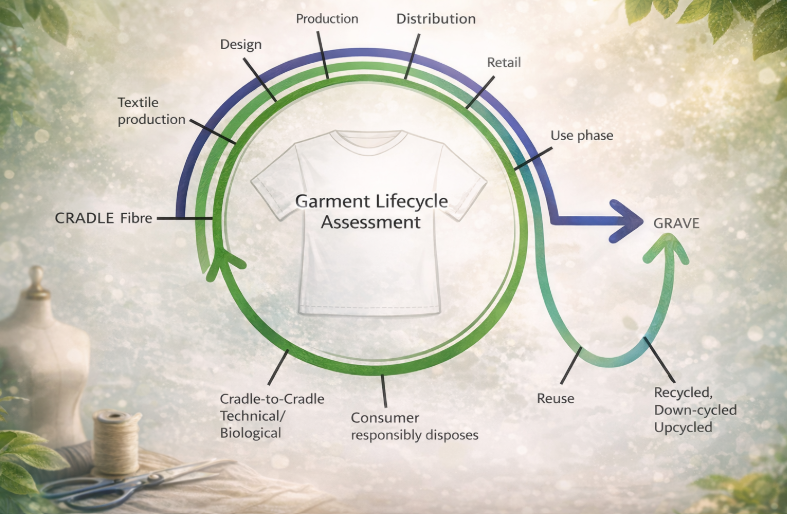
The garment creation lifecycle is a sequence of technical and creative stages. Each phase requires precision to ensure the final product meets market standards. Mastery of this process allows businesses to scale efficiently while maintaining consistent quality and professional output.
Understanding these stages is critical for fashion entrepreneurs and procurement officers alike. It transforms a simple idea into a physical product ready for retail. Proper navigation of this lifecycle reduces waste and optimizes the use of manufacturing resources.
Phase 1: Research and Conceptualization
The journey begins with extensive market research to identify a specific target audience. Brands must analyze current consumer behaviors and purchasing power. This data informs the creative direction and ensures the resulting apparel meets a genuine demand in the marketplace.
Trend forecasting plays a pivotal role in the research phase. Designers examine upcoming color palettes, silhouettes, and fabrications. Utilizing data from fashion forecasting agencies helps predict what will be popular in future seasons. This step minimizes the risk of producing outdated inventory.
Mood boards serve as the visual foundation for the entire collection. They combine images, textures, and color swatches to define the aesthetic. A clear vision board ensures all stakeholders understand the desired mood. This document guides the creative team throughout the production cycle.
Defining a Unique Selling Proposition (USP) is essential for market differentiation. Brands must determine what makes their clothing superior to existing options. Whether it is a unique fit or specialized performance fabric, a clear USP attracts the right customers and builds brand loyalty.
Phase 2: Design and Sketching
Initial creative sketches often begin as hand-drawn concepts. These drawings capture the artistic essence of the garment before technical details are added. This stage allows for free exploration of shape and form. Designers can iterate quickly on different visual ideas during this time.
Developing Technical Flats or CADs follows the initial sketching phase. Designers use software like Adobe Illustrator to create accurate 2D representations. These digital drawings show proportions and construction details. They provide a clear map for the custom clothing manufacturer to follow.
Selecting a color story and print direction happens concurrently with sketching. Each garment must fit into a cohesive palette that represents the brand identity. If prints are involved, the design of the patterns must be finalized. This ensures visual harmony across the entire apparel collection.
Phase 3: The Technical Pack (Tech Pack) Development
A Tech Pack serves as the definitive blueprint for any apparel item. It contains all the manufacturing process steps required for accurate production. This document ensures the custom clothing manufacturer understands every specific design requirement without ambiguity or error.
Essential components include detailed technical sketches from multiple views. These drawings highlight front, back, and side perspectives. They clearly show seam placements and structural details. Accurate visuals are necessary for the pattern makers to begin their work correctly.
The Bill of Materials (BOM) lists every physical component needed for the garment. This includes the main fabric, linings, buttons, and zippers. It also accounts for labels and packaging materials. A complete BOM prevents delays caused by missing components during the assembly stage.
Measurement specs and size charts define the dimensions of the garment. These figures provide the basis for the initial sample and future grading. Construction details, such as stitching types and seam allowances, are also documented. This level of detail ensures consistent quality across all units.
Phase 4: Sourcing Materials and Manufacturers
Fabric sourcing requires a deep understanding of fiber content and weight. The drape of the fabric determines how the garment hangs on the body. Choosing the correct GSM ensures the clothing feels appropriate for its intended use. Brands must test fabric samples for hand feel and durability.
Trim and notions sourcing involves selecting zippers, buttons, and threads. These small components significantly impact the final quality of the garment. Reliability in these materials prevents mechanical failures, such as broken zippers. Consistent sourcing leads to high quality custom clothing manufacturers output.
Finding the right manufacturer involves evaluating Minimum Order Quantities (MOQs). A production facility must have the capacity to handle the brand’s volume. Clear communication and reliable timelines are indicators of a trusted partner. This selection process is vital for long-term scalability.
Ethical sourcing and sustainable manufacturing practices are increasingly important. Brands look for partners who prioritize environmental responsibility. This includes using recycled fibers and reducing water consumption. Ethical practices build trust with modern consumers who value corporate social responsibility.
Phase 5: Pattern Making and Prototyping
The creation of the initial pattern translates 2D designs into 3D shapes. Digital patterns are often preferred for their precision and ease of editing. This pattern acts as the template for cutting the fabric. It must be mathematically accurate to ensure the garment fits correctly.
The Toile or Muslin phase involves creating a mock-up for fit. This sample uses inexpensive fabric to test the basic structure. Designers use this prototype to check proportions and movement. Adjustments made at this stage save significant costs during the actual production run.
Sample rounds move from the first prototype to fit samples. Each iteration refines the design based on feedback. Fit samples allow the team to see the garment on a live model. This process identifies any technical issues that need correction before the mass production starts.
Salesman Samples (SMS) are produced for marketing and sales purposes. These are high-quality versions of the final product. They are used by sales teams to secure orders from retailers. The SMS represents the brand’s promise of quality to the wholesale market.
Phase 6: Pre-Production and Grading
Size grading involves scaling the base pattern for a full size range. Professionals ensure the fit remains consistent from XS to XL. This requires complex adjustments to maintain the original design intent. Accurate grading is essential for customer satisfaction across all body types.
Fabric testing occurs before the main production begins. Technicians check for shrinkage, colorfastness, and pilling. These tests ensure the garment remains durable after repeated washing. Understanding material behavior prevents quality issues that could lead to high return rates.
Finalizing the Pre-Production Sample (PPS) is the last step before mass assembly. This sample represents the exact quality of the final order. Once approved, the manufacturer has the green light to proceed. The PPS serves as the physical benchmark for the entire production run.
Phase 7: Mass Production
Production begins with fabric relaxing and spreading. Fabrics are unrolled to allow them to shrink back to their natural state. This prevents the final garments from losing their shape after cutting. Proper spreading ensures the layers are perfectly aligned for the cutting machines.
Precision cutting uses markers to minimize fabric waste. This stage shows how it’s made with industrial efficiency. Modern facilities use automated cutters for extreme accuracy. Reducing waste is a key part of sustainable manufacturing practices within a professional production facility walk-through.
The assembly line utilizes specialized machinery for sewing and construction. Each operator focuses on a specific task to maintain speed and consistency. A behind the scenes tour reveals the complexity of coordinating hundreds of workers. This organized workflow is the hallmark of a custom clothing manufacturer.
In-line quality inspections happen during the assembly process. Inspectors check individual components before they are joined together. This prevents a single error from affecting a large batch of clothing. Constant monitoring ensures the production remains on schedule and within quality limits.
Phase 8: Quality Control (QC) and Finishing
Post-production quality control procedures involve a final check of every unit. Inspectors look for loose threads, crooked seams, or measurement deviations. This stage ensures that only perfect garments reach the customer. It is the final defense against manufacturing errors.
Garment finishing includes ironing, steaming, and folding. Professional pressing gives the clothing a polished and retail-ready appearance. Proper folding and bagging protect the fabric during transport. These final touches enhance the customer’s unboxing experience and brand perception.
Final inspection often follows Acceptable Quality Level (AQL) standards. This statistical method determines if a production batch meets the required quality. A trusted custom apparel manufacturer uses these standards to guarantee consistency. This objective data provides peace of mind for the brand owners.
Phase 9: Logistics, Shipping, and Fulfillment
Packaging involves the application of polybags, hangtags, and SKU labels. Each item must be accurately scanned and accounted for in the system. Proper labeling ensures the warehouse can track inventory levels. This organization is crucial for smooth fulfillment and distribution.
Choosing a freight method depends on the budget and timeline. Sea freight is cost-effective for large volumes but takes longer. Air freight offers rapid delivery for urgent collections. Brands must balance these factors to maintain their inventory flow and meet market demand.
Warehousing and inventory management are the final steps in the supply chain. Goods are stored in a secure facility until they are sold. Distribution happens through retail channels or direct-to-consumer shipping. Efficient logistics ensure the product reaches the end user in excellent condition.
Conclusion
The garment creation lifecycle requires careful coordination across multiple specialized phases. From the first sketch to the final shipment, every detail impacts the final outcome. Success depends on selecting a reliable partner who understands the intricacies of the entire process.
Following these steps helps brands avoid common pitfalls like production delays or quality defects. Maintaining a smooth workflow ensures that creative visions are translated into high-quality products. The iterative nature of fashion design requires patience and technical expertise at every turn.
For those ready to scale, it is time to check out our production process. MFG Merch stands ready to support fashion brands with professional manufacturing services. A commitment to quality and transparency ensures a successful journey for every apparel collection.
FAQs
The garment creation lifecycle typically takes between six months to a year. This timeline depends on the complexity of the design and the sourcing requirements. Proper planning and early tech pack development can help shorten these lead times significantly.
One can reduce costs during the sampling phase by providing highly detailed tech packs. Minimizing the number of sample rounds prevents expensive redesigns later. Using stock fabrics for initial fit samples is another way to manage the development budget effectively.
The most common mistake beginners make is providing incomplete technical documentation. Without clear specifications, the manufacturer may misinterpret the design intent. Investing time in the tech pack phase is the most effective way to ensure production success and consistency.